Grief support
Why Hardship Often Fuels Creative Expression
Creative outlets can become unexpected companions during grief. Photography, in particular, has long stood out as an accessible and flexible way to sit with loss and put feelings into form. But the same holds true for any creative pursuit—writing, poetry, songwriting, painting. If you have even a small creative streak, it's worth trying to express yourself through it.
Researchers and psychologists have long noticed intriguing connections between creativity and difficult experiences like hardship, illness, and psychological struggle, even if the full picture isn't entirely understood.
Consider the concept of sublimation, described by Sigmund Freud and his daughter Anna Freud in the early twentieth century. In simple terms, sublimation happens when someone redirects painful emotions, urges, or anxieties into outlets that are constructive and socially valued. They pointed to artistic expression as a prime example of this kind of healthy redirection.
Modern psychology continues to explore how creativity and adversity intersect. Researcher Marie Forgeard (2013) observed that "...the unique life experiences often reported by highly creative individuals suggest that adversity may have played a critical role in fostering their creativity, and that increased creativity could therefore constitute a manifestation of Post Traumatic Growth." Her work, along with studies by others, points to a real relationship between going through hard times and experiencing creative growth afterward.
One theory as to why hardship and creativity are linked involves something called nondysphoric deliberate rumination. Here, "nondysphoric" means the reflection isn't limited to dwelling on negative feelings, and "deliberate" means the person is intentionally choosing to think through the event and what it means. This kind of thoughtful processing can help someone draw connections, spot patterns, empathize with others, and land on creative solutions to problems they're facing.
Another pattern researchers have noticed is a higher rate of early parental loss among people who go on to achieve significant creative success. One theory suggests that losing a parent early in life may lead to isolation, alienation, or a sense of being different from other children. That feeling of being set apart may push—or allow—a person to step outside conventional thinking and view the world in a way their peers don't. (Forgeard, 2013)
Interesting, isn't it?
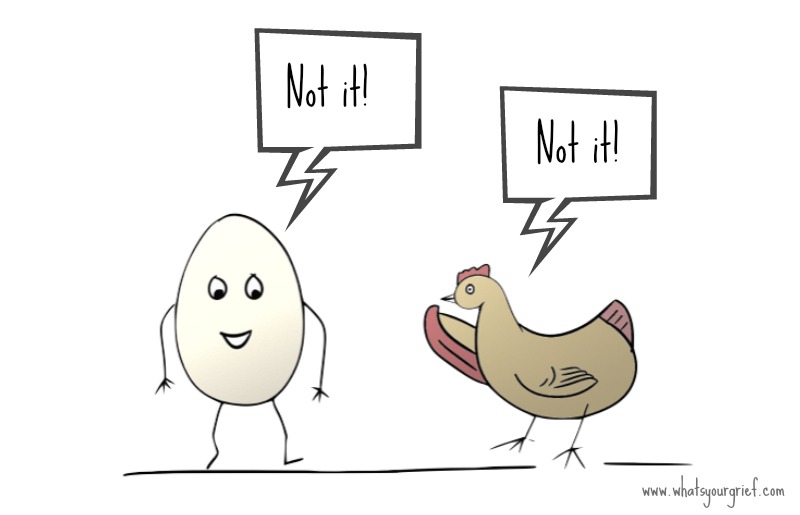
So which comes first: does creativity give people a way to process what they've been through, or does hardship itself spark creativity? The honest answer may be both—and for our purposes, it may not matter which comes first.
What matters most here is that creative outlets can genuinely help people heal while grieving. There are countless reasons why, but three stand out.
Creative work keeps you engaged
Psychologist Martin Seligman identified engagement as one of five key elements of psychological well-being. Being engaged means taking part in activities you find enjoyable, challenging, and exciting—the kind of experience where you feel fully absorbed and lose track of time.
This idea matters because it gives you permission to spend time on things you love. What feels engaging will look different for everyone, but many people find that creative activities—whether familiar or brand new—pull them in this way.
Creativity opens up new ways to solve problems
When you're dealing with hardship, it's easy to feel boxed in by limitations, real or perceived. Creative thinking can help break through that. It encourages you to think differently, draw new connections, discover coping strategies, look for fresh solutions, and make sense of what you've been through.
Creativity builds connection and communication
Sometimes words fail, and creative expression can fill that gap. A photograph, for instance, can say, "Here, let me show you," without a single spoken word. Art lets two people connect through shared experience even in silence. And while making art is often a solitary act, people frequently find community around it—through clubs, group projects, classes, and shared creative pursuits.
It's worth acknowledging that many creative people feel completely blocked after a loss or other hardship. Something that once felt like a dependable coping tool can suddenly feel foreign, uninspiring, or out of reach.
If that's where you are, know that you're far from alone. Losing interest in things you once enjoyed is a common response to grief, for many different reasons. If a creative practice has felt distant for a while and that troubles you, one option is simply to push yourself to return to it anyway. That approach won't appeal to everyone, so here are two related resources on rebuilding creative motivation after loss.
- Reconnecting with your Passions: Getting Over the Meh's
- Grief and Creative Block: Getting your groove back
Create a memorial for the person you love
Start with their name. It is free, takes a minute, and no account is needed.
This article is general information, not professional legal, financial, tax, or medical advice. The right steps depend on your situation and the laws of your state — when it matters, check with a qualified professional.