Grief support
When grief brings hurtful comments: what people really meant
Let's start with an honest caveat. This piece is about giving people the benefit of the doubt after they've said something clumsy or hurtful to you while you're grieving. I want to say that clearly up front, because plenty of people reading this have genuinely been treated badly by friends or family since their loved one died. If that's your story, I'm not trying to talk you out of it. People can be careless, self-centered, and even cruel, and some of them mean exactly what they say. But it's also true that people with good intentions sometimes say the wrong thing entirely.
We all handle hard moments differently. A few people are steady no matter what — they always find the right words, bring the right gift, and know exactly when to step in and help. A few others are consistently bad at this. They blurt out thoughtless things without ever pausing to think about the impact.
Most people, though, fall somewhere in between. Unlike the two extremes, people in this middle group can swing either way. Some days they say exactly the right thing; other days they plant a foot firmly in their mouth. Most of the time they're fine, maybe a little awkward, and their hearts are usually in the right place.
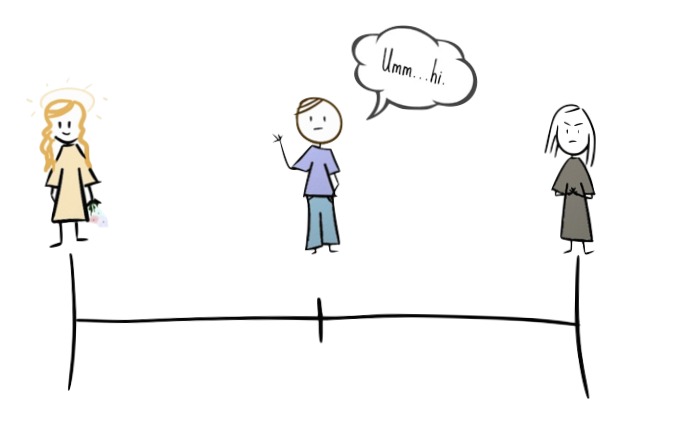
When someone says something insulting, hurtful, or dismissive while you're grieving, it's easy to assume they meant it that way. There are real reasons for that. You may be carrying a lot of scattered anger about the death, and it can feel good to finally have someone to aim it at. And when you're exhausted and raw, distancing yourself from anyone who might add to your pain is a natural, protective response.
There's also something else at work. Research shows that people are more likely to blame someone's mistake on their character than to consider the pressures of the moment they were in. Psychologists call this the fundamental attribution error, and it's why you might land on "She's a moron," instead of "She had no idea how to handle this," after someone says something insensitive.
You have plenty of reasons to be wary of anyone who's hurt you while you're grieving. But you also need the people around you now more than almost any other time in your life. So for the rest of this piece, try something with me: think of the people you've quietly written off since the death, ask yourself, "Am I actually sure this person is terrible?" — and if the honest answer is no, consider a few other explanations.
Maybe they were trying to comfort you
When someone we care about is hurting, our first instinct is usually to try to comfort them. Comfort — the idea that we can somehow lift the pain away — is behind most of the tired platitudes and "at least" statements you've probably heard.
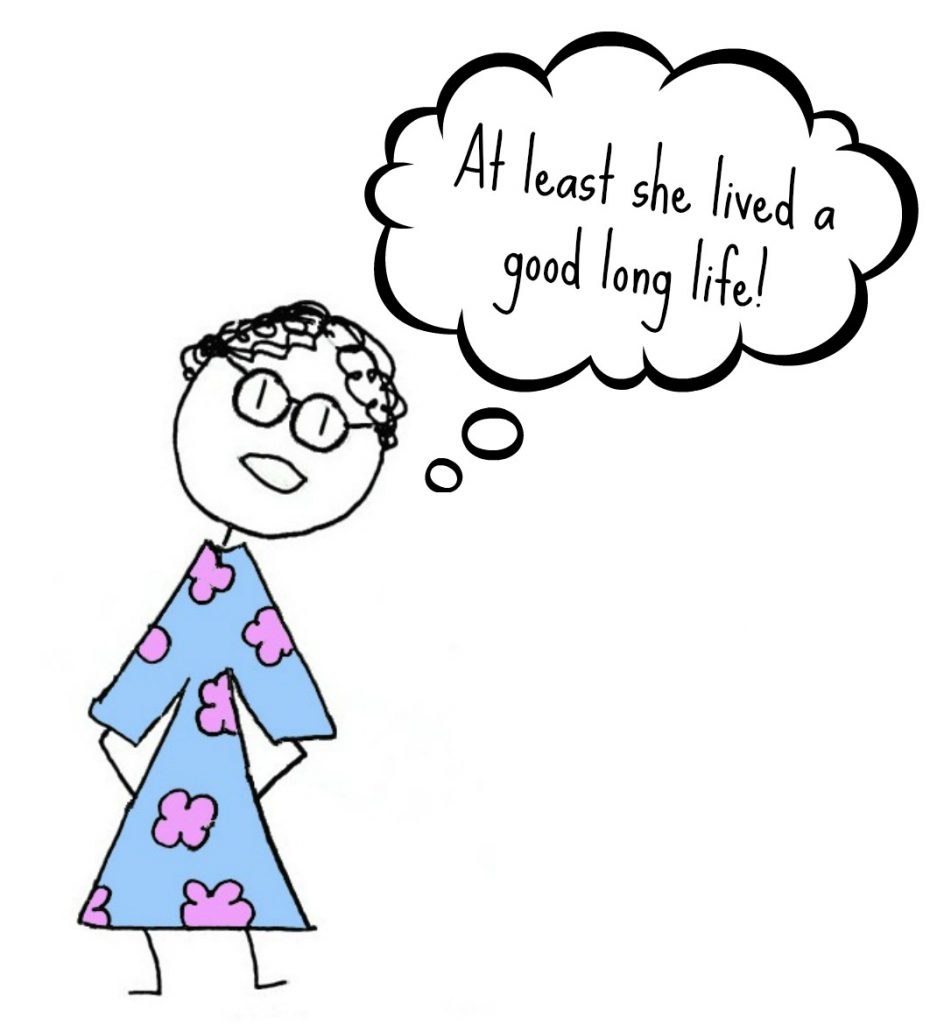
Most people don't realize that trying to comfort someone after a death rarely works, because there's nothing anyone can say or do that removes the pain. It's better to let the pain simply be there. What actually helps is support rather than comfort — showing up, staying present, and letting the grief exist without trying to fix it. If you'd like to think more about that distinction, you should read this post or this post.
Maybe they were using "troubles talk"
You've probably heard someone say "I know exactly how you feel" or "I went through the same thing" after you've lost someone. These comments often land as self-centered or dismissive, even when that isn't the intent.
Deborah Tannen, a linguistics professor at Georgetown University and the author of several books on how people communicate, has a different read on this. She calls it "troubles talk" — a pattern, most often used by women, of building closeness by matching one person's struggle with a similar one of their own. Tannen described it this way on NPR's 1A:
"You talk about a problem. The other person says that they have a similar problem. You feel connected. You feel less alone."
When someone who cares about you is grieving is trying to offer support, it makes sense they'd reach for the social habits that have worked for them before. But grief doesn't behave like most other situations. "Troubles talk" can accidentally send the message "I don't want to hear about your specific loss" or "I'd rather talk about myself," when what the person actually meant was "I'm someone you can talk to," and "You're not completely alone in this."
One more thing worth knowing: Tannen also points out that men and women often interpret "troubles talk" differently. A man hearing a woman share a matching struggle may assume she's asking for advice. Keep that in mind the next time someone responds to your grief with feedback you never asked for.
Maybe they care about you, but grief makes them uncomfortable
Finally, there's a simpler explanation: some people just aren't comfortable around grief. It's common to hear that friends and family have pulled back, seemingly to avoid being near loss at all.
It's an uncomfortable truth, but many people in your life aren't at ease with death, grief, or strong emotion. The people who can genuinely support you through this need to be okay with your tears, your silences, and the heaviness that grief brings. If someone can't sit with that, they simply aren't the right person to lean on right now.
Create a memorial for the person you love
Start with their name. It is free, takes a minute, and no account is needed.
This article is general information, not professional legal, financial, tax, or medical advice. The right steps depend on your situation and the laws of your state — when it matters, check with a qualified professional.